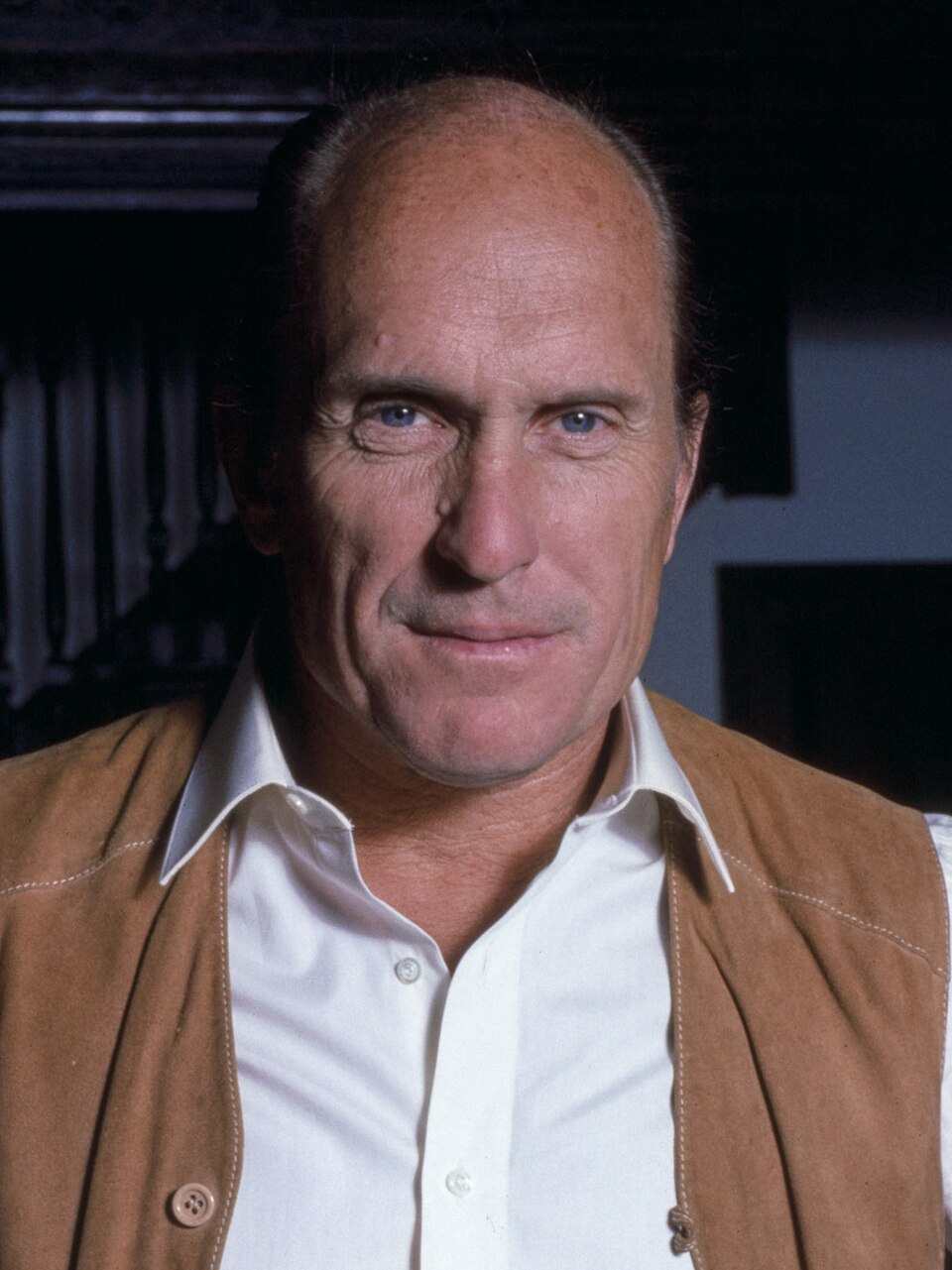
Robert Duvall Dead at 95: Remembering His Storied Career
The world of cinema mourns the loss of an undeniable giant, as legendary American actor Robert Duvall passed away peacefully on Monday at the age of 95. The esteemed performer, renowned for his profound immersion in characters and an unparalleled versatility that graced screens for nearly six decades, died at his home in Middleburg, Virginia. His passing marks the end of an era, leaving behind an indelible legacy of iconic performances that have shaped the landscape of modern film.
For those wondering,
was Robert Duvall sick leading up to his death? Based on current reports and the information available, his passing occurred at his residence in Virginia at the advanced age of 95, suggesting a peaceful conclusion to a long and full life rather than a prolonged illness. There have been no public statements or detailed reports indicating a specific sickness that led to his passing, reinforcing the idea that the esteemed actor simply reached the end of his remarkable journey. His death, while sorrowful, appears to be a natural culmination of a life well-lived and a career brilliantly executed, a testament to his enduring spirit until his final days.
A Titan of the Silver Screen Bids Farewell
Robert Duvall possessed a unique ability to transform into any character he portrayed, from the most menacing to the most vulnerable, making each role memorable regardless of its screen time. His career was a masterclass in the art of acting, earning him widespread critical acclaim and the adoration of audiences globally. He was an actor who didn't just play roles; he inhabited them, bringing a palpable authenticity to every scene.
Among his most celebrated performances were those under the direction of Francis Ford Coppola. As the quiet yet powerful consigliere Tom Hagen in
The Godfather (1972), Duvall navigated the treacherous world of the Corleone family with a restrained intensity that made him stand out even amidst a cast teeming with cinematic legends. His portrayal earned him an Academy Award nomination for Best Supporting Actor, cementing his status as a formidable talent. Years later, he re-teamed with Coppola for the harrowing Vietnam War epic,
Apocalypse Now (1979). Here, Duvall delivered one of his most iconic and oft-quoted lines as Lieutenant Colonel Bill Kilgore: "I love the smell of napalm in the morning." His performance as the surf-loving, war-mongering officer was electrifying, earning him a Golden Globe and a BAFTA Award, along with another Oscar nomination.
Duvall's incredible range extended far beyond these roles. He captivated audiences as the unhinged network executive Frank Hackett in Sidney Lumet’s scathing satire
Network (1976), showcasing his flair for dark comedy and dramatic intensity. In Joel Schumacher’s
Falling Down (1993), he played the weary police sergeant Martin Prendergast, a man on the brink of retirement who finds himself pursuing a vigilante through the streets of Los Angeles. Even early in his career, Duvall made an impact with his subtle yet powerful performance as Boo Radley in
To Kill a Mockingbird (1962) and showcased his comedic timing in Robert Altman's *M*A*S*H* (1970). His role in George Lucas's dystopian sci-fi film
THX 1138 (1971) further demonstrated his willingness to explore diverse genres and collaborate with visionary directors.
The Craft of an Icon: Duvall's Unmistakable Talent
What set Robert Duvall apart was not just his versatility, but the profound depth and unwavering commitment he brought to every character. He was known for his immersive approach, delving into the psyche and mannerisms of his roles to create fully realized individuals. Whether it was a cold, calculating businessman, an unyielding military figure, a no-nonsense police officer, a declining country singer, or an eccentric preacher, Duvall made them unforgettable.
His collaborations with some of Hollywood's most esteemed directors underscored his reputation as an actor's actor. Beyond Coppola, he worked with luminaries like Robert Altman, Billy Bob Thornton, Lasse Hallström, George Lucas, and Joel Schumacher. It was his work with Coppola, however, that arguably best showcased his immense gifts, positioning him as one of the most significant and representative actors of the "New Hollywood" era of the 1960s and 70s—a period of revolutionary change and artistic freedom in American cinema.
To truly appreciate Duvall's genius, consider revisiting his performances and paying close attention to the nuanced choices he made. His ability to convey complex emotions with minimal dialogue, a mere glance, or a subtle shift in posture is a masterclass for any aspiring actor or film enthusiast. His dedication to truth in performance made every character resonate, inviting viewers to connect with their humanity, flaws, and triumphs. For more insights into his enduring contributions, consider
A Life Well-Lived: Robert Duvall's 95 Years in Hollywood.
From Broadway to Oscar Glory: A Career Spanning Decades
Born in San Diego, California, Duvall's early life saw him moving frequently due to his father's career as an Admiral in the U.S. Navy. This nomadic upbringing may have contributed to his adaptable nature and keen observational skills, invaluable traits for an actor. His journey into acting began in the vibrant theatre scene of the 1950s, where he honed his craft on Broadway, quickly becoming a sought-after talent.
His transition to television and film brought him broader recognition. While his earliest film role in
To Kill a Mockingbird was small, it was a pivotal start. He garnered significant attention for his role in *M*A*S*H* and later captivated audiences as the titular character in George Lucas's experimental science fiction film *THX 1138*. It was his magnetic screen presence in these roles that caught the eye of Francis Ford Coppola, leading to his breakthrough in
The Godfather.
Duvall's career reached its zenith with his Academy Award win in 1984 for Best Actor in Bruce Beresford’s *Tender Mercies*. In this poignant drama, he delivered a soul-stirring portrayal of Mac Sledge, an alcoholic country singer seeking redemption. This win was a crowning achievement, but it was far from his only recognition. He received six other Oscar nominations throughout his career, for roles including his iconic performances in *The Godfather* and *Apocalypse Now*, as well as for *The Great Santini*, *The Apostle*, *Get Low*, and *A Civil Action*. His mantelpiece also boasted a Golden Globe and a BAFTA for *Apocalypse Now*, further underscoring his consistent excellence across various prestigious awards. Later in the 1980s, he impressed audiences as the cynical sportswriter Max Mercy opposite Robert Redford in the baseball film *The Natural*.
A Legacy Etched in Film History
Robert Duvall’s career was a testament to dedication, talent, and an unwavering passion for the craft of acting. His ability to embody such a vast array of characters, making each one feel uniquely authentic and deeply human, is a rare gift. He transcended genres, working with celebrated directors across experimental cinema, genre films, and profound dramatic works. His contributions helped define the "New Hollywood" era and set a benchmark for character acting. He was not merely a performer but a true artist, dedicated to exploring the human condition through his work.
His impact reverberates not only through the countless films he graced but also in the admiration of his peers and the inspiration he provided to generations of actors. His legacy is one of unparalleled integrity, remarkable range, and a profound understanding of what it means to bring a story to life. As we reflect on his passing, his filmography stands as a monumental achievement, a treasure trove of performances that will continue to educate, entertain, and move audiences for centuries to come. For a deeper dive into the significance of his passing, read
Robert Duvall's Passing at 95: An Icon's Legacy Lives On.
Robert Duvall's departure leaves a void in Hollywood that will be challenging to fill. Yet, his extraordinary body of work ensures that his spirit and talent will forever live on through the indelible characters he brought to life. He was, quite simply, one of the greatest actors of his generation, and his memory will undoubtedly continue to inspire and entertain.