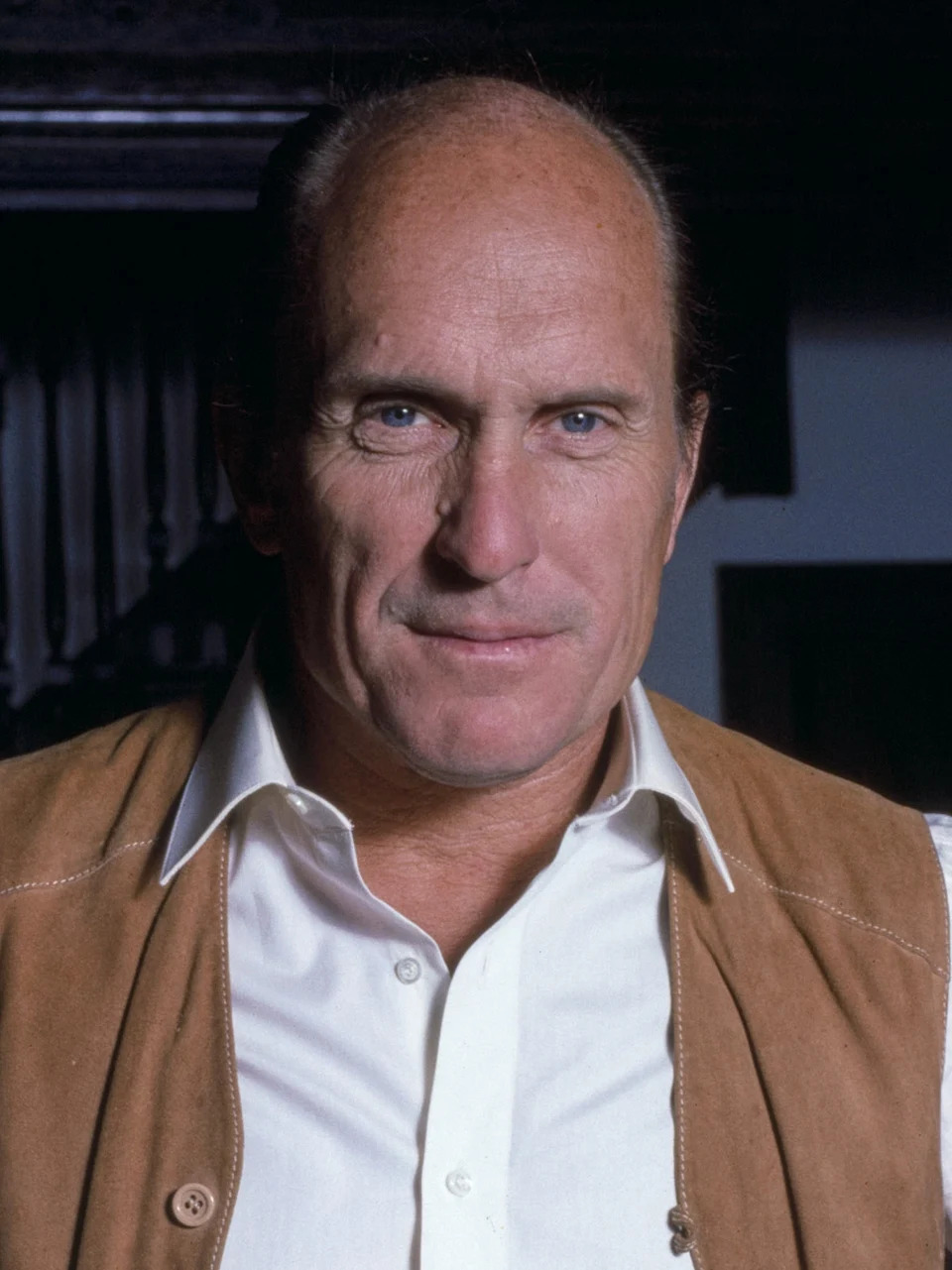
Robert Duvall's Passing at 95: An Icon's Legacy Lives On
The world of cinema mourns the loss of a titan, Robert Duvall, who passed away on Monday at the venerable age of 95. Duvall, an actor whose presence could elevate any scene, whether in a leading or supporting capacity, leaves behind an indelible mark on cinematic history. Renowned for his profound versatility and an extraordinary ability to fully inhabit every character he portrayed, Duvall was a true master of his craft. From the quiet gravitas of Tom Hagen in *The Godfather* to the chilling exuberance of Colonel Bill Kilgore in *Apocalypse Now*, his performances were not just acts; they were transformations that etched themselves into the collective memory of audiences worldwide. His passing marks the end of an era, but his rich legacy of iconic roles and unparalleled dedication to acting will undoubtedly inspire generations to come.
Robert Duvall's Passing: Addressing the "Was Robert Duvall Sick" Query
In the wake of a beloved public figure's passing, questions naturally arise regarding the circumstances. For those asking,
"Was Robert Duvall sick?", it's important to clarify based on available public information. Robert Duvall passed away peacefully at his home in Middleburg, Virginia, at the age of 95. Biographical summaries and official reports concerning his death have not detailed a specific, prolonged illness. At 95, his passing appears to be a natural conclusion to a long, illustrious, and remarkably active life.
Throughout his extensive career, Duvall remained a vibrant and engaged artist, working well into his later years. His incredible longevity in Hollywood is a testament to his passion for acting and perhaps his personal resilience. While the natural aging process brings various health considerations, there was no widespread public information indicating that Robert Duvall was battling a specific, long-term illness that significantly impacted his career or public life leading up to his passing. Instead, his final years, like much of his life, were characterized by a dedication to his art and a quiet dignity. His death, therefore, primarily signifies the end of a truly monumental life well-lived, rather than a prolonged struggle with a publicized disease. For a deeper dive into his long and impactful journey, consider exploring
A Life Well-Lived: Robert Duvall's 95 Years in Hollywood.
A Masterclass in Versatility: From Broadway to Hollywood Stardom
Born in San Diego, California, and raised across various U.S. states due to his father's career as a Navy admiral, Robert Duvall's journey to acting prominence was anything but conventional. He honed his craft in the vibrant theatre scene of the 1950s, becoming a highly sought-after talent on Broadway. This theatrical foundation instilled in him a deep understanding of character and performance that would define his six-decade-long career.
Duvall transitioned to television and then made his indelible mark on cinema, beginning with a minor but memorable role as Boo Radley in the classic 1962 film *To Kill a Mockingbird*. This early performance showcased his innate ability to convey profound emotion with minimal dialogue, hinting at the depths of talent that lay beneath. His career truly began to gather momentum with roles in films like the satirical Vietnam War comedy *M*A*S*H* and George Lucas's dystopian science fiction film *THX 1138*, where he played the titular character.
It was this early work that caught the discerning eye of Francis Ford Coppola, a collaboration that would define Duvall's ascent to superstardom. Duvall's unparalleled versatility became his calling card. He could seamlessly pivot from portraying cold, calculating businessmen to unflappable military officers, earnest policemen, soulful country singers, eccentric preachers, or stern family patriarchs. This chameleon-like ability to inhabit disparate roles with such conviction made him one of Hollywood's most invaluable actors. It wasn't merely about acting; it was about *becoming* the character, a rare gift that set him apart.
Crafting Unforgettable Characters: The Power of Immersive Acting
Robert Duvall’s genius lay in his extraordinary capacity for deep, "out of the ordinary" immersion into his roles. He wasn't just performing; he was embodying. This commitment turned supporting roles into iconic performances, often stealing scenes from his leading co-stars.
Tom Hagen in *The Godfather*
As Tom Hagen, the unflappable and loyal consigliere to the Corleone family, Duvall delivered a masterclass in understated power. Amidst a star-studded cast, his portrayal of the lawyer and consigliere provided the quiet, moral, and strategic backbone of the family. He radiated an aura of measured intelligence and unwavering loyalty, making Hagen an essential, unforgettable component of one of cinema's greatest sagas. His performance in *The Godfather* earned him an Academy Award nomination, solidifying his status as a major force.
Colonel William "Bill" Kilgore in *Apocalypse Now*
In stark contrast to Hagen, Duvall’s Colonel Kilgore was a terrifying force of nature. His legendary line,
"I love the smell of napalm in the morning," delivered with a chillingly detached bravado, became synonymous with the brutal absurdity of war. Kilgore was a character of terrifying charisma, a man who surfed amidst bombs and reveled in destruction. Duvall’s portrayal was so captivating that it earned him a Golden Globe and a BAFTA, along with another Oscar nomination.
Beyond these colossal roles, Duvall created a pantheon of memorable characters:
*
Frank Hackett in *Network*: The ruthless, calculating executive in Sidney Lumet’s prescient satire.
*
Mac Sledge in *Tender Mercies*: The alcoholic country singer on a path to redemption, a role that finally earned him a well-deserved Academy Award for Best Actor in 1984. His performance was a raw, tender exploration of human vulnerability and resilience.
*
Sergeant Martin Prendergast in *Falling Down*: A nuanced portrayal of an aging, beleaguered police officer on his last day before retirement, providing a compelling counterpoint to Michael Douglas's rage-fueled protagonist.
Duvall's ability to render these diverse figures with such authenticity speaks volumes about his dedication. For aspiring actors, his career offers a profound lesson: true immersion, understanding the subtle nuances of a character, and committing fully to the role can make even secondary parts resonate deeply and leave a lasting impression. He proved that sometimes, the most powerful performances are found not in grand gestures, but in profound, quiet truth.
An Enduring Legacy: Awards, Collaborations, and the New Hollywood Era
Robert Duvall's prolific career was marked by critical acclaim and a host of prestigious awards, solidifying his place among the pantheon of great actors. His Oscar win for *Tender Mercies* was a crowning achievement, but it was just one of his seven Academy Award nominations across various categories, including those for *The Godfather*, *Apocalypse Now*, and *The Great Santini*. Beyond the Oscars, he garnered Golden Globes, BAFTAs, and numerous other accolades, reflecting the consistent excellence of his work.
Duvall’s career was also defined by his sagacious choice of collaborators. He worked with some of Hollywood's most visionary directors, including:
*
Francis Ford Coppola: Their partnership, beginning with *The Godfather*, became legendary, defining a significant chapter in both their careers.
*
George Lucas: Directing Duvall in *THX 1138* before Star Wars.
*
Sidney Lumet: For his powerful role in *Network*.
*
Robert Altman: A director known for his ensemble casts and naturalistic style, perfectly suited to Duvall's talents.
*
Billy Bob Thornton, Lasse Hallström, Joel Schumacher: Further showcasing his willingness to work across genres and with diverse directorial visions.
This collaborative spirit, particularly with Coppola, positioned Duvall as one of the most important and representative actors of the "New Hollywood" era. This period, spanning the late 1960s and 1970s, was a revolutionary time for American cinema, characterized by a shift towards more complex narratives, auteur directors, and a realistic, often gritty, approach to storytelling. Duvall, with his raw talent, authenticity, and fearless character choices, perfectly embodied the spirit of this cinematic renaissance. He consistently chose roles that challenged him and pushed the boundaries of conventional acting, contributing significantly to films that reshaped the landscape of American filmmaking. For more insights into his impactful filmography, you can read
Robert Duvall Dead at 95: Remembering His Storied Career.
Even in later decades, Duvall remained a vibrant force, delivering memorable performances like writer Max Mercy in the baseball drama *The Natural* alongside Robert Redford. His enduring presence in the industry for nearly 60 years is a testament to his talent, dedication, and an unwavering passion for the art of acting.
Robert Duvall's passing at 95 marks the departure of a true Hollywood giant. His legacy is not merely in the awards he won or the countless films he graced, but in the unforgettable characters he brought to life with such profound authenticity and boundless skill. He was a master of his craft, an actor whose deep immersion and remarkable versatility ensured that every performance, no matter how small the role, became a cinematic event. Duvall's impact on New Hollywood and his enduring influence on aspiring actors will resonate for generations, reminding us of the power of true artistry and dedication. He may be gone, but the unforgettable worlds he created through his characters will forever live on, a testament to a life magnificently lived and a legacy that will never fade.